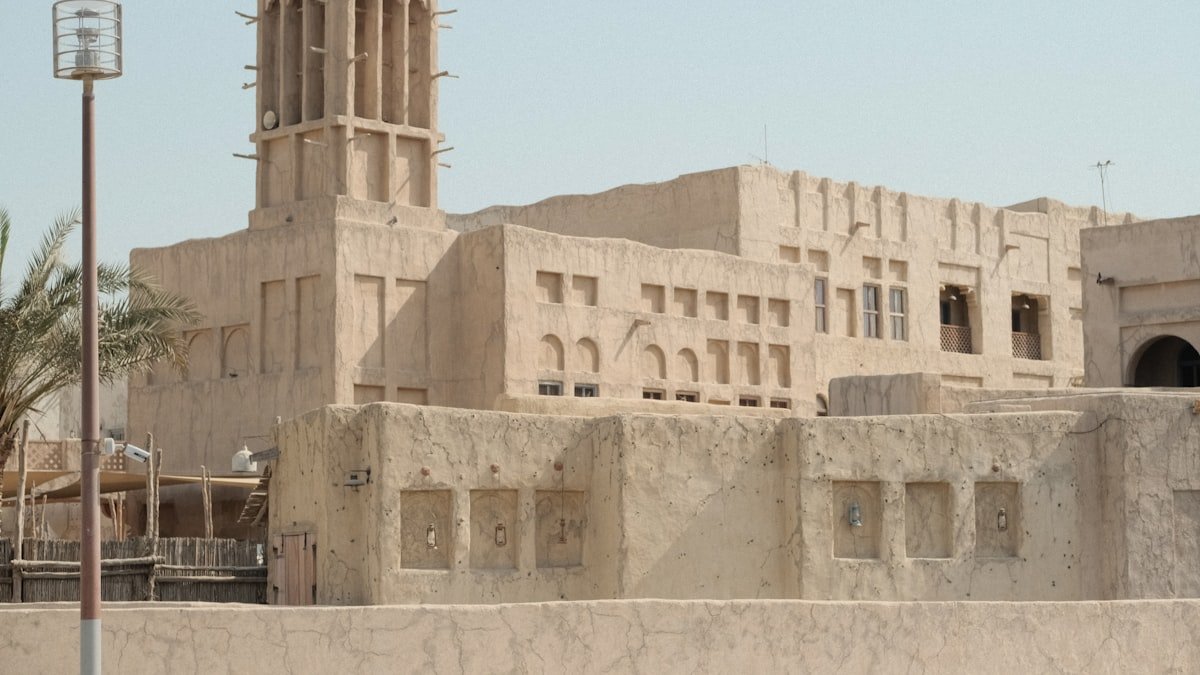
If you only do one cultural thing in Ajman, make it the Ajman Museum. Set inside a centuries old fort in the heart of the city, it packs the whole story of the emirate into one cool, shaded hour: pearl diving, Bedouin life, ancient graves, traditional weapons and clever old architecture that kept rooms cool long before air conditioning. It is genuinely one of the best value cultural visits in the country, and right now it is even better value, because entry is free.
Whether you have just moved to the emirate, you are visiting for the weekend or you simply want a break from the heat that is more interesting than another mall, this is the place to understand where Ajman came from. Here is everything worth knowing before you go, with current entry details, timings and the exhibits that actually deserve your time.
The fort: a quick history
The museum lives inside Ajman Fort, a striking late 18th century building that has worn many hats over the years. It was the residence of Ajman’s rulers and the seat of government, and later served as the emirate’s police headquarters before it was carefully restored and reopened as the national museum. The building itself is part of the exhibit: thick coral and mud brick walls, tall watchtowers, heavy wooden doors and the cannons that still stand guard at the entrance.
That layered past is what makes the place feel alive rather than stuffy. You are not just looking at objects in cases, you are walking through the actual rooms where the emirate was once governed and defended.
Where the museum is and getting your bearings
Ajman Museum sits in central Ajman, in the old heart of the city near the Central Souk and a short hop from the seafront. It is easy to reach by car or taxi, and parking is straightforward nearby. Because it is so central, it pairs naturally with the other heritage sights clustered around it, which makes for an easy half day in old Ajman.
If you are planning a wider first visit to the emirate, the museum is a fixture in our guide to the best things to do in Ajman for first-time visitors, where it earns its spot as the ideal first stop.
What to see inside
The museum is laid out as a journey through old Ajman, room by room, and it rewards a slow wander. These are the highlights worth lingering over.
The Al Mowaihat archaeological finds
The oldest treasures here come from an excavated burial site at Al Mowaihat, with pottery and funerary jewellery dating back thousands of years. It is a quiet reminder that people have lived and traded on this coast for far longer than the modern skyline suggests, and it is one of the most genuinely surprising parts of the visit.
The pearl diving exhibits
Before oil, the Gulf ran on pearls, and Ajman was a pearling town. A whole section is devoted to the trade: the diving tools, the weights, the nose clips, the wooden boats and the hard, dangerous lives of the divers who kept the economy afloat. It is a vivid window into the pre oil era and the backbone of the old coastal economy.
The dioramas of old Ajman life
The lifelike dioramas are the part most visitors remember. Full scale scenes recreate a traditional souk, a roadside barber, a wedding celebration, fishing, farming and Bedouin daily life, complete with figures, tools and props. They turn dry history into something you can almost step into, and they are a hit with children.
The wind tower and traditional architecture
Look up for the barjeel, the traditional wind tower that funnels even a faint breeze down into the rooms below to cool them naturally. It is a genuinely clever piece of old engineering, and on a hot day you can feel it working. Alongside it you will find manuscripts, old irrigation systems, traditional weapons and wooden dhows that round out the picture of how the emirate lived, traded and defended itself.
WOW-Ajman Expert Tip: Take your time in the wind tower room on a hot day. Standing directly under the barjeel to feel the temperature drop is the single best way to understand how people stayed cool here for centuries, and children love testing it.
Entry fee and opening times
Here is the headline: as part of a tourism push, Ajman has waived museum entry fees across the emirate until the end of 2026, so a visit right now costs nothing. Outside that offer the entry fee has historically been very low, in the region of AED 5 for adults and around AED 1 for children, so even when the free period ends it remains one of the cheapest cultural tickets you will find.
For opening times, the museum generally runs Saturday to Thursday from 8am to 8pm, with shorter afternoon only hours on Friday, usually from around 2:30pm to 8pm. Hours can shift around public holidays and during Ramadan, so if you are planning a Friday visit in particular it is worth a quick check before you set off.
WOW-Ajman Expert Tip: Visit in the morning. You beat both the midday heat and the tour groups, the light through the fort windows is lovely, and you leave the rest of the day free to explore the old town and the seafront next door.
How long to spend and visiting tips
Give yourself about an hour to an hour and a half. That is enough to take in every room without rushing, read the displays that interest you and let children explore the dioramas at their own pace. History buffs could happily stretch it longer.
Dress modestly, as you would for any cultural or heritage site in the UAE, with shoulders and knees covered. Wear comfortable shoes for the uneven older flooring, bring water, and remember that the fort interior is shaded and cool, which makes it a perfect midday escape during the hotter months.
What is nearby
The museum’s central location is half its appeal, because so much sits within a short walk or drive. The old town and the heritage souks are right there, and the working fish market nearby is worth an early morning look. The seafront is minutes away, so you can pair your visit with a sunset stroll along the Ajman Corniche and dinner at one of the seafront cafes. For the food side of the day, our pick of the essential Ajman restaurants covers where to eat once you are done exploring.
A simple Ajman Museum visit plan
- Morning: Arrive when it opens to beat the heat and the crowds, and take the rooms slowly.
- Inside: Start with the Al Mowaihat finds, work through the pearl diving section and the dioramas, then finish at the wind tower.
- After: Wander the old town and souks right beside the fort.
- Evening: Head to the Corniche for a sunset walk and a seafront dinner.
Building a fuller itinerary? Our regularly updated guide to things to do in Ajman this weekend keeps a running list of what is on around town.
Frequently asked questions
Entry is free until the end of 2026 as part of an Ajman tourism incentive. Outside that period the fee has historically been very low, around AED 5 for adults and about AED 1 for children.
The museum generally opens Saturday to Thursday from 8am to 8pm, with shorter afternoon hours on Friday, usually around 2:30pm to 8pm. Times can change on public holidays and during Ramadan, so check before a Friday visit.
It is in central Ajman, inside Ajman Fort, near the Central Souk and a short distance from the Corniche and the old town. It is easy to reach by car or taxi with parking nearby.
About one hour to one and a half hours is enough to see everything without rushing. History enthusiasts may want a little longer, and families with curious children should allow extra time for the dioramas.
Yes. It is a well presented, low cost introduction to the emirate’s history, set inside a genuine historic fort, and it works well for families, first-time visitors and anyone wanting a cool, interesting break from the heat.
Last updated May 2026. Entry policy, timings and displays can change, so it is worth a quick check before you go.